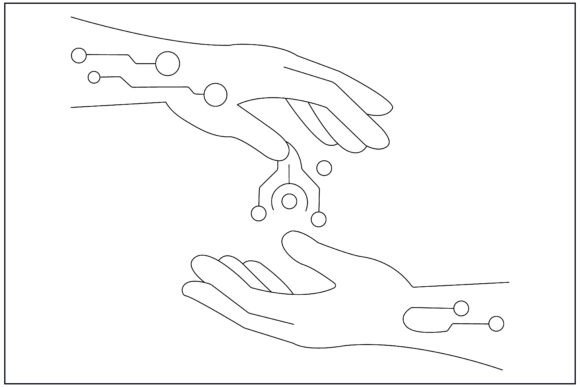
Human AI Collaboration Line Art
First Impressions: A Unique Blend of Creativity and Precision
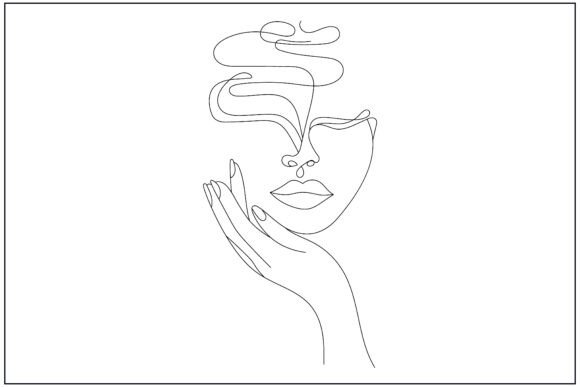
Human AI Collaboration Line Art immediately catches the eye with its clean, minimalist aesthetic. The design feels intentional, balancing intricate details with a sense of openness that allows for versatility in application. The line work is sharp and deliberate, suggesting a blend of human artistry and algorithmic precision. This makes it ideal for projects that require a modern, artistic touch without overwhelming the viewer.
The composition is well-balanced, with a central focal point that draws the eye naturally. It’s clear this was designed with both visual appeal and practicality in mind, making it a strong candidate for embroidery projects that need to stand out while remaining functional.
Real-World Embroidery Use: From Tote Bags to Personalized Gifts
When considering Human AI Collaboration Line Art for real-world use, it shines on custom apparel like t-shirts, sweatshirts, and tote bags. The simplicity of the line art ensures it translates well to fabric, maintaining clarity even at smaller sizes. For a small business owner or Etsy seller, this design could be a go-to for creating unique, eye-catching products that appeal to a broad audience.
It also works well as an embroidered patch or applique design. The clean lines make it easy to stitch onto items like caps, aprons, and baby clothes without sacrificing detail. Whether it's a holiday gift or a personalized item, the design has a universal quality that can be adapted to various themes and occasions.
For crafters and handmade shop owners, this line art offers a solid foundation for printable mockups and digital product previews. Its simplicity makes it easy to integrate into branding materials, ensuring consistency across different product lines.
Where to Be Cautious: Design Limitations and Fabric Considerations
While Human AI Collaboration Line Art is versatile, there are areas where caution is needed. On small hoop sizes, the design may require some adjustment to ensure all elements are visible and properly stitched. Textured fabrics or thin, stretchy materials could also pose challenges, as the line work might not show up as clearly.
Dark fabrics may require a contrast in thread color to ensure visibility, and layered garments or curved surfaces like caps might need extra attention to maintain the integrity of the design. Tiny lettering or dense stitch areas could become lost if not carefully managed during the stitching process.
For commercial embroidery projects, it's essential to test the design on different fabric types before committing to large-scale production. This helps avoid issues that could affect the finished product’s quality and customer satisfaction.
Impact on Visual Appeal and Customer Perception
Human AI Collaboration Line Art adds a professional touch to any embroidery project. Its clean lines and balanced layout contribute to a polished look that can elevate the perceived value of handmade products or boutique merchandise. For small shop owners, this can mean increased customer trust and a stronger brand presence.
As a personalized gift, the design offers a level of sophistication that appeals to a wide range of buyers. Its adaptability makes it suitable for everything from wedding gifts to holiday decorations, enhancing its giftability and overall appeal.
For creative entrepreneurs, this design serves as a reliable asset in their digital product library. It can be used across multiple platforms, helping to streamline the design process while maintaining a consistent visual identity.
Practical Designer Notes: Ensuring Success with Every Stitch
Before using Human AI Collaboration Line Art in an embroidery project, it’s wise to test it on scrap fabric. This helps identify any potential issues with stitch density or thread color contrast. Checking the design in black and white mockups can also reveal how it will appear on different fabric backgrounds.
Proper stabilizer use is crucial, especially when working with delicate or stretchy fabrics. Confirming the correct hoop size ensures that the entire design fits comfortably and stitches evenly. Small details should be inspected closely to avoid any missed elements during the embroidery process.
For those planning to sell finished items or digital products, verifying the licensing terms is essential. While the product description doesn’t specify these details, it’s always best to double-check before proceeding with commercial use.
Conclusion: A Versatile Design for Creative Projects
Human AI Collaboration Line Art is a thoughtful design that offers a blend of artistic expression and technical precision. Its clean lines and adaptable nature make it a valuable addition to any embroidery designer’s toolkit. Whether you're creating custom apparel, personalized gifts, or small business merchandise, this design has the potential to enhance your creative output and customer engagement.
With careful consideration of fabric type, stitch density, and design placement, this line art can be successfully integrated into a wide range of projects. As a practical and visually appealing option, it’s a smart choice for anyone looking to add a touch of creativity to their embroidery work.