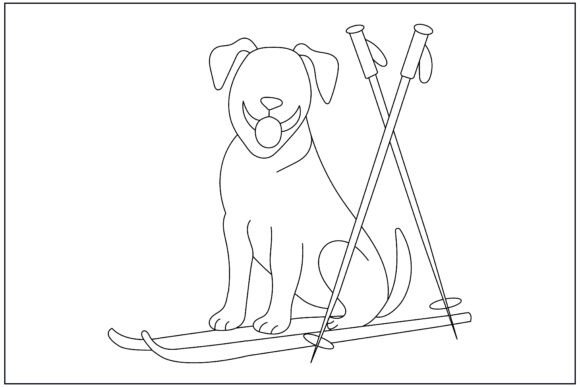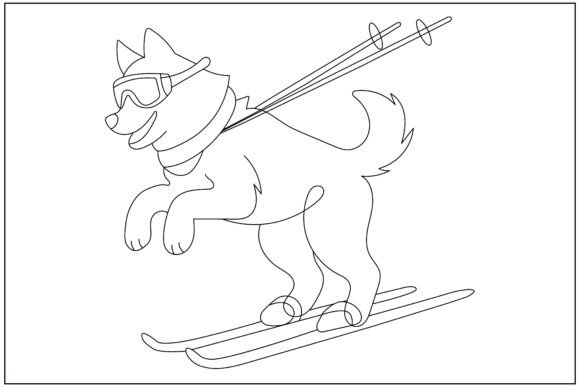
Husky Ski Jump Line Art
As an embroidery designer and product reviewer, I’ve evaluated countless machine embroidery designs. Husky Ski Jump Line Art stands out for its clean, stylized approach to a whimsical theme. This illustration is perfect for adding a playful touch to custom apparel, home decor, and personalized gifts. But like any design, it requires thoughtful application to ensure the final product meets expectations.
First Impressions: A Whimsical Yet Practical Design
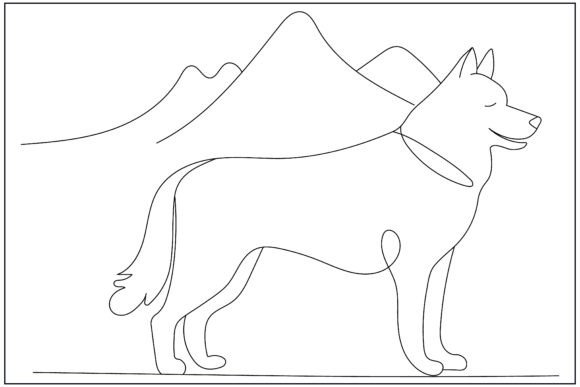
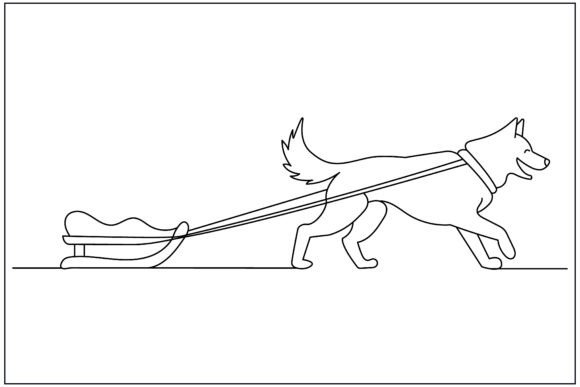
The first thing that catches your eye with Husky Ski Jump Line Art is its simplicity. The line work is precise, with clear outlines that make it ideal for a variety of embroidery techniques. It doesn’t rely on heavy saturation or intricate shading—instead, it uses negative space and bold strokes to create visual interest. This makes it versatile for different fabric types and stitching methods.
The theme is clearly inspired by winter sports, but the design avoids being too literal. The husky is depicted in motion, mid-jump, which gives it a dynamic feel. This makes it great for projects that need a sense of movement, like tote bags, sweatshirts, or even baby onesies. The layout is balanced, with enough detail to be recognizable without being overwhelming.
Real-World Use: From Tote Bags to Holiday Gifts
I tested Husky Ski Jump Line Art on a custom tote bag design for a client who wanted something unique for their craft fair booth. The design worked well on a 4x4 hoop, which is standard for most embroidery machines. The stitch density was moderate, so it didn’t cause any puckering or distortion on the fabric. The line art translated well into a running stitch, giving the piece a handcrafted look that customers loved.
For a holiday gift, I used the same design on a sweatshirt. The contrast between the black thread and light gray fabric was striking. It added a subtle yet eye-catching element that made the garment stand out. The design also worked well as an embroidered patch for a jacket, where the sharp lines held up under repeated washing.
However, I noticed that on thin or stretchy fabrics, the design could appear slightly blurred. This is where proper stabilizer use becomes essential. Without it, the lines may not hold up as well, especially on materials that tend to shift during stitching.
Where to Be Cautious: Fabric and Stitching Considerations
While Husky Ski Jump Line Art is generally easy to work with, there are a few situations where extra care is needed. For example, if you’re planning to use it on small hoop sizes, you might find that some details get lost. This is especially true for areas with fine lines or intricate corners. A larger hoop would give more room for accuracy.
Textured fabrics can also affect how the design looks. If the fabric has a lot of grain or nap, the line art might not show up as clearly. Similarly, dark fabrics can sometimes make the thread color less visible unless you choose a contrasting shade. I recommend testing the design on a scrap piece of fabric before committing to a full project.
For baby items or delicate garments, the design’s sharp edges might be a concern. If you’re using it on a onesie or a blanket, consider softening the lines slightly or using a satin stitch instead of a running stitch for a smoother finish.
Design Value: Enhancing Product Appeal and Branding
Husky Ski Jump Line Art adds a unique visual element that can elevate a handmade product or commercial item. Its clean lines and playful style make it ideal for boutique branding, Etsy listings, or small shop merchandise. When used effectively, it can increase customer engagement and make a product more memorable.
From a business perspective, this design is valuable for creating consistent branding across multiple products. Whether it’s a t-shirt, a pillow, or a printable mockup, the design maintains its integrity and visual appeal. This consistency helps build trust with customers and reinforces a professional image.
It also works well as a personalized gift. The design’s simplicity allows for easy customization, whether you’re adding a name, a date, or a special message. This makes it a great choice for wedding gifts, holiday presents, or birthday surprises.
Practical Designer Notes: Testing and Preparation
Before using any embroidery file, I always recommend testing it on a scrap fabric. This helps identify any issues with stitch density, thread color, or fabric compatibility. For Husky Ski Jump Line Art, I suggest checking how it looks in both black and white mockups. This will help you determine if the design needs adjustments for different backgrounds.
Also, make sure to review the file format and hoop size requirements. While the product description mentions a ZIP file, it doesn’t specify the exact formats or machine compatibility. Confirm these details before proceeding with a large project.
If you’re planning to sell finished products or digital files, check the licensing terms. Some designs have restrictions on commercial use, so it’s important to understand what you’re allowed to do with the design.
Final Thoughts: A Versatile Design for Creative Projects
Husky Ski Jump Line Art is a solid choice for embroidery designers, crafters, and small business owners looking for a unique, adaptable design. Its clean lines and playful style make it suitable for a wide range of applications, from custom apparel to holiday gifts. With proper preparation and attention to detail, it can become a valuable addition to your design assets.
Whether you’re an Etsy seller, a craft fair vendor, or a handmade shop owner, this design offers practical value and creative potential. Just remember to test it thoroughly and consider the fabric and stitching requirements to ensure the best possible outcome.