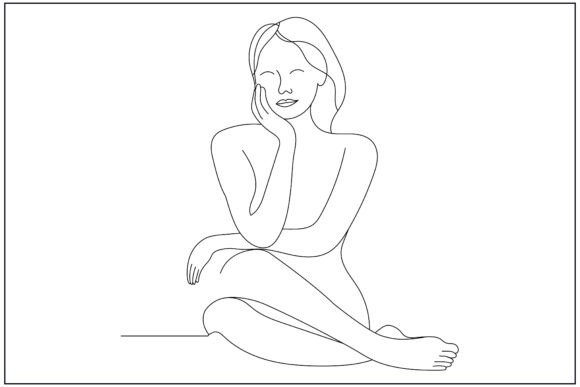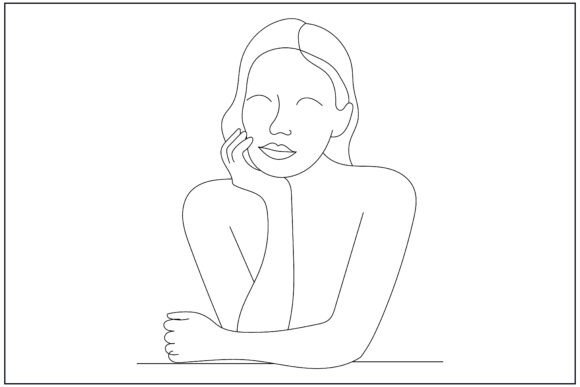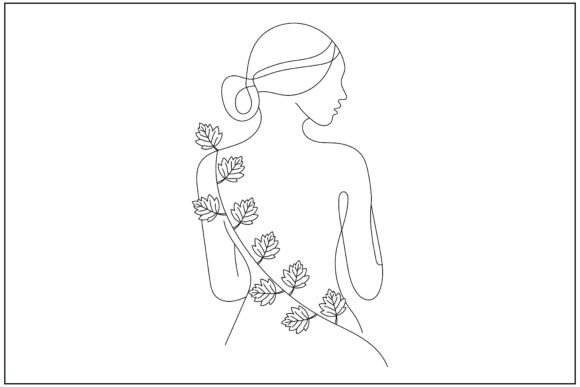
Woman Ivy Back Line Art
As an embroidery designer and product reviewer, I’ve evaluated countless machine embroidery designs. Woman Ivy Back Line Art stands out for its clean, elegant style and versatility across multiple mediums. It’s a design that feels both timeless and modern, perfect for a range of creative applications. But like any embroidery file, it has its strengths and limitations depending on how it’s used.
The First Impression: A Design That Speaks Quietly
Woman Ivy Back Line Art immediately conveys a sense of calm and sophistication. The line art is minimalist yet detailed enough to make an impact without overwhelming the viewer. The subject—likely a woman with ivy or foliage in the background—has a soft, flowing quality that suggests movement and nature. This makes it ideal for projects that aim to evoke a relaxed, organic feel.
The layout is well-balanced, with clear negative space that allows the design to breathe. It’s not overly intricate, which means it works well on a variety of fabric types and project sizes. Whether you’re planning a custom apparel piece or a wall decor item, this design offers a strong visual foundation without requiring excessive stitch density or complex techniques.
Real-World Embroidery Use Cases
When considering real-life embroidery situations, Woman Ivy Back Line Art proves adaptable. It’s particularly effective on t-shirts, tote bags, and sweatshirts, where the simplicity of the line work ensures clarity even at smaller scales. For example, if you’re creating a custom embroidered tote bag for a client, this design would look great as a subtle, elegant accent on the front or side.
It also works well as an embroidered patch. The clean lines make it easy to transfer onto a backing fabric, and the lack of dense fill areas means it won’t be too heavy or stiff. This is a big plus for patches that need to be sewn onto jackets, backpacks, or caps. The design’s low stitch count also helps prevent puckering or distortion on stretchy or thin fabrics.
For baby items, such as onesies or blankets, the soft, non-threatening nature of the design makes it a safe choice. It can be used as a personalized gift, adding a touch of elegance without being too bold. Similarly, for holiday or wedding gifts, the design’s neutral tone and classic style ensure it remains relevant across different occasions.
Where to Be Cautious: Design Limitations
While Woman Ivy Back Line Art is versatile, there are some scenarios where it might not perform as well. On small hoop sizes, the design could appear cramped or lose some of its detail. If you’re working on a cap or a curved surface, the line work may not translate as smoothly as it would on a flat, stable fabric.
On dark fabrics, the contrast between the design and the background may be less noticeable unless you use a contrasting thread color. This is especially important if you’re using the design for commercial embroidery or as part of a digital product. You’ll want to test it on both light and dark backgrounds before finalizing your project.
Additionally, because the design relies heavily on line work rather than fills or saturation, it may not be the best choice for projects that require bold, eye-catching visuals. If you’re looking for something that commands attention, you might consider a more saturated or textured design.
Impact on Visual Appeal and Customer Perception
Woman Ivy Back Line Art adds a refined aesthetic to any finished product. Its clean lines and balanced composition contribute to a professional appearance, which is essential for handmade products or custom apparel. When used correctly, it can elevate the perceived value of your work, making it more appealing to customers who appreciate subtle, thoughtful design.
From a customer perspective, this design is highly giftable. Its understated beauty makes it suitable for a wide range of recipients, from friends and family to clients and business partners. It also supports brand consistency, especially if you’re running a craft business or Etsy shop that focuses on natural, organic themes.
For small shop merchandise or boutique branding, the design can serve as a consistent visual element across different products. Whether it’s a printed mockup, a digital product preview, or a physical item, the design maintains its integrity and appeal.
Practical Designer Notes: What to Check Before Using
Before committing to a project, always test the design on scrap fabric. This will help you assess how the line work translates on different materials and identify any potential issues early on. Pay close attention to the stitch density and how it interacts with the fabric texture.
Make sure to check the thread color contrast, especially if you plan to use the design on dark fabrics. A white or light-colored thread might not show up as well as a darker shade. Also, confirm the hoop size required for the design to avoid unnecessary resizing or distortion.
If you’re using the design for commercial purposes, verify the licensing terms. Some embroidery files have restrictions on resale or modification, so it’s important to understand what you’re allowed to do with the design. Finally, don’t forget to use the right stabilizer for your fabric type—this will help maintain the design’s shape and prevent puckering.
Conclusion: A Thoughtful Choice for the Right Project
Woman Ivy Back Line Art is a design that works best when used thoughtfully. It’s not the most dramatic or high-contrast option available, but it excels in projects that prioritize elegance, simplicity, and subtlety. Whether you’re an Etsy seller, a craft business owner, or a hobbyist, this design can be a valuable addition to your collection of embroidery files.
Its adaptability across different mediums and its ability to enhance the visual appeal of handmade products make it a solid choice for many embroidery projects. Just remember to consider the fabric type, hoop size, and intended use before finalizing your design selection. With the right approach, Woman Ivy Back Line Art can become a standout element in your next creative endeavor.